
Master's of Community and Regional Planning (MCRP)
We have updated MCRP's application process.
Read the Applying tab below for details and prepare to apply on November 1!
SCARP's Master's of Community and Regional Planning trains you to transform knowledge into action and to plan in partnership, actualising comprehensive planning theory to support the well-being of communities, improving built and natural environments, and planning for transformational change.
While still a student, you'll be given real-world problems in the community to plan and solve in partnership with organisations in consulting relationships. You'll be honing your skills, building your professional identity, and forging your first professional network all at the same time.
Interested in Indigenous Community Planning?
Learn more about our ICP concentration here
Not only are UBC grads the #3 most employable in Canada — but each year...90-100% of MCRP grads secure Planning-related employment within 1 year of graduating!
Select from the three tabs below to learn all about MCRP:
Our curriculum addresses the biggest challenges facing the world today, including climate change, systemic injustice, decolonizing professional planning, and healing Indigenous partnerships.
Graduates of this internationally accredited program are recognised and sought out by organisations that protect and improve communities, from city halls to transportation authorities to social justice organisations. As MCRP is the only master’s degree in Planning accredited in both Canada and the United States, graduates are qualified to work as planners in Canada, the U.S., and any other country that recognizes Canadian and American planning accreditation.
Areas of impact and expertise (click to expand)
Image
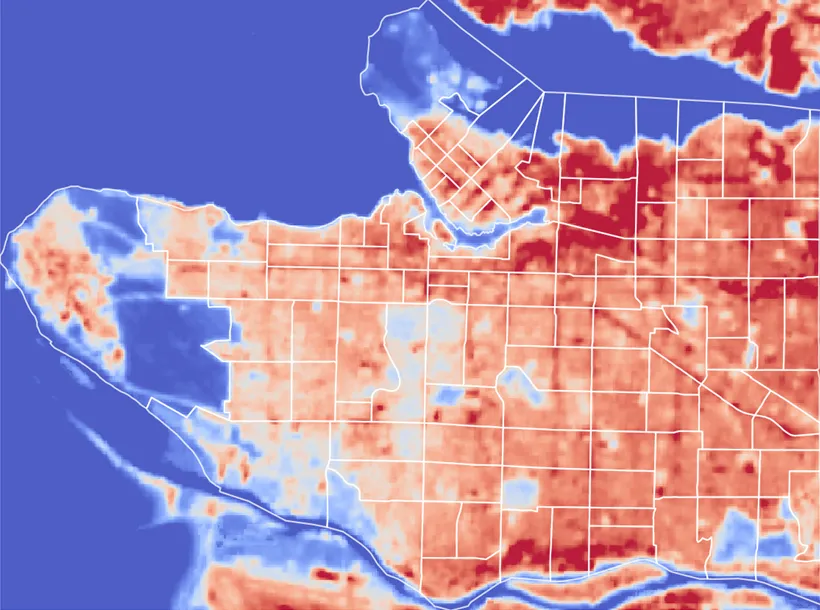
Environment and climate change
Severe impacts of climate change are being felt everywhere, including street flooding, hotter and drier summers, and wildfire smoke, and are projected to get stronger. Beyond energy efficiency and ecological harm reduction, sustainable communities are ecosystems of harmony between developing and nature. We work to prevent impacts of climate change, while working to heal what's already in crisis.
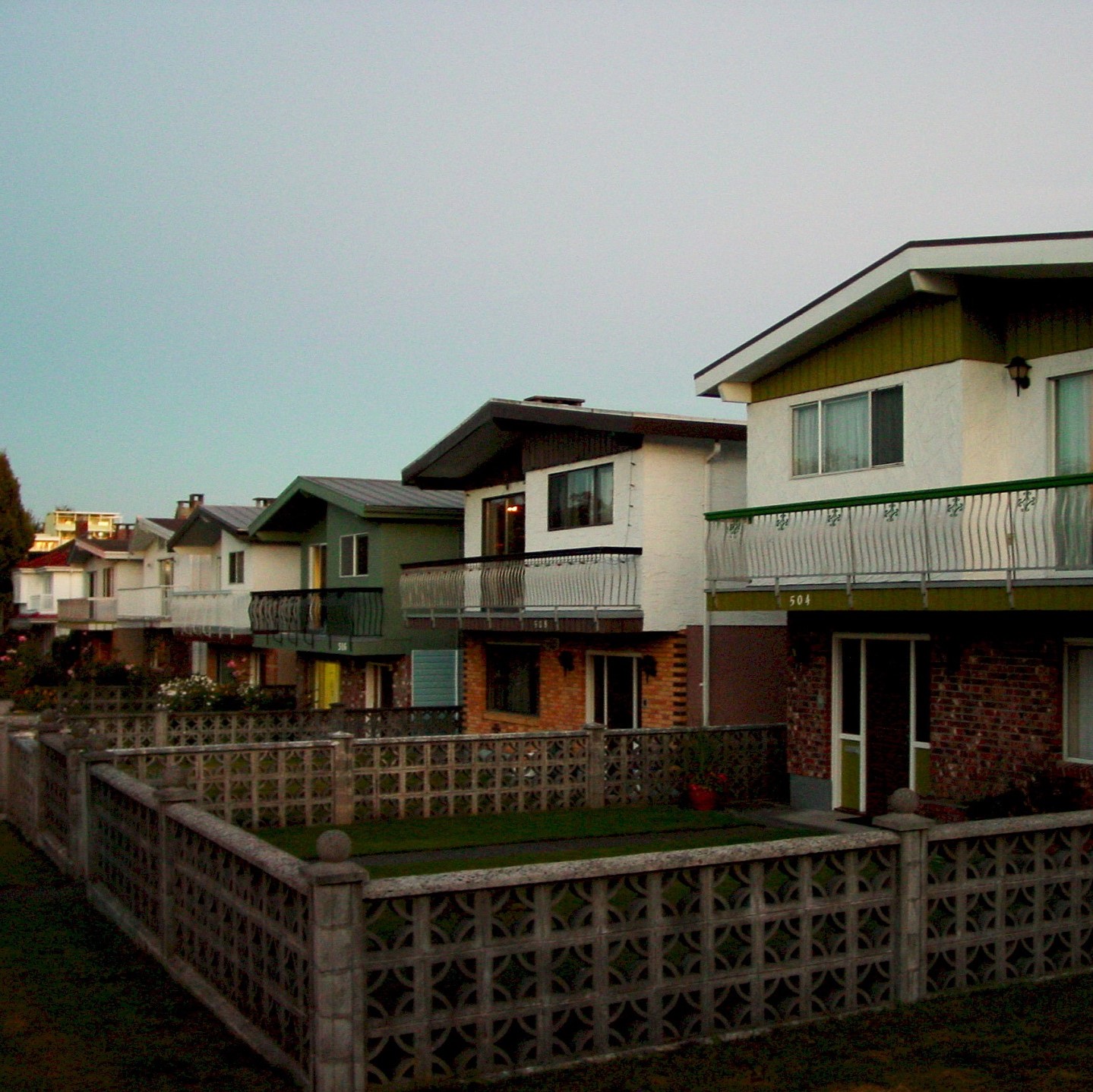
Housing equity
Working towards socio-economic equality helps people access housing, employment, health, education, energy, transportation and everything you access from mobility, and even food. Learn how access to good housing can address equality crises everywhere.
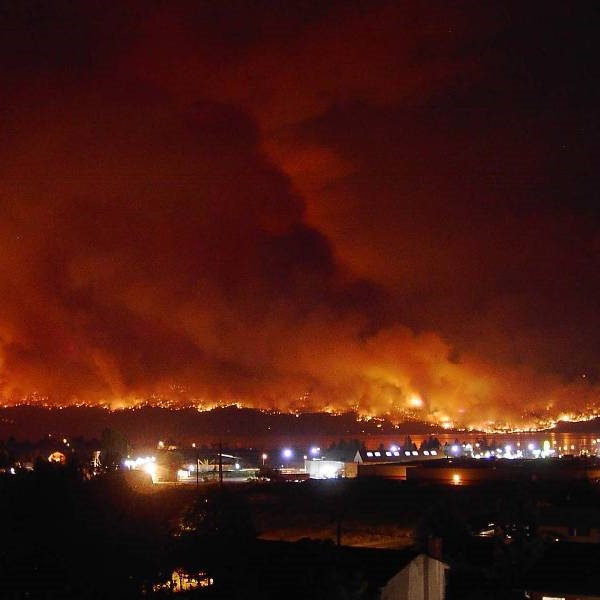
Hazard resilience and disaster planning
How a region and its community can build resilience to risk and disaster in cities, coasts, marine transportation, and beyond. Disaster planning bridges engineering, natural sciences, and social sciences to understand risk, response, recovery, and the impact on communities. Learn how each population and each community is disproportionately affected, and how well-planned infrastructure and disaster response can heal these divides.
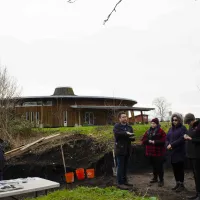
Indigenous Community Planning
ICP trains a new generation of planners to break with colonial tradition in respectful partnership with Indigenous communities, centered on their priorities. SCARP's ICP program, MCRP's only formal concentration, immersively teaches a blend of Indigenous Knowledge and Indigenous Planning with contemporary planning methods.
Transport access
Decisions regarding the shape of our communities and its supporting transportation infrastructure, services, information, policies, and oversight can help enable the ‘good’ cities we strive for. Transportation planning has decisive ramifications for not just the overall productivity of a region, but affordability, socioeconomic self-determination, housing, climate, and land rights.

Urban studies
Urban Studies furthers understanding of the forces that shape cities and how to redirect those forces. Urbanization has shaped and continues to shape the processes of social and environmental change. Explore how urban processes change societies and shape human relationships to each other and nature, how cities interrelate to each other through flow of people commodities money and ideas, and how tomorrow's cities lead to more sustainability and equity.
Each challenge met by planners has elements of all the above sub-fields.
Every community or regional crisis affects marginalised peoples first and foremost,
and therefore every plan begins and ends with how to include everyone in that plan and in its rewards.
Careers in Planning (click to expand)
Likewise, graduates from MCRP work in a wide range of successful and influential careers, from international organizations to local non-profits, from public to private, and including federal, provincial and municipal governments. With a 95% post-graduation planning-employment rate, SCARP's MCRP program not only has something to teach experts from any number of fields, and opens doors for you across all kinds of sectors.
Here's a Where Are They Now of some recent graduates:
Image

Eanimi Agube, grad 2023
First job after graduation:
Planning and Development Intern, County of Wetaskiwin
"SCARP has truly been a transformative journey for me, opening doors to the captivating realm of urban planning. Throughout my time with SCARP, I dedicated myself to finding the paths in which my interests lie and where I could make the most impact in this dynamic field. During these two years, I have had the opportunity to meet people from many places, who have shared knowledge of their lived experiences that I continue to carry along with me as I start a career. Undoubtedly, SCARP stands out as the ultimate hub to delve into the multifaceted world of planning. The swift passage of two years was filled with invaluable insights, cherished moments, and lasting camaraderie."
Image
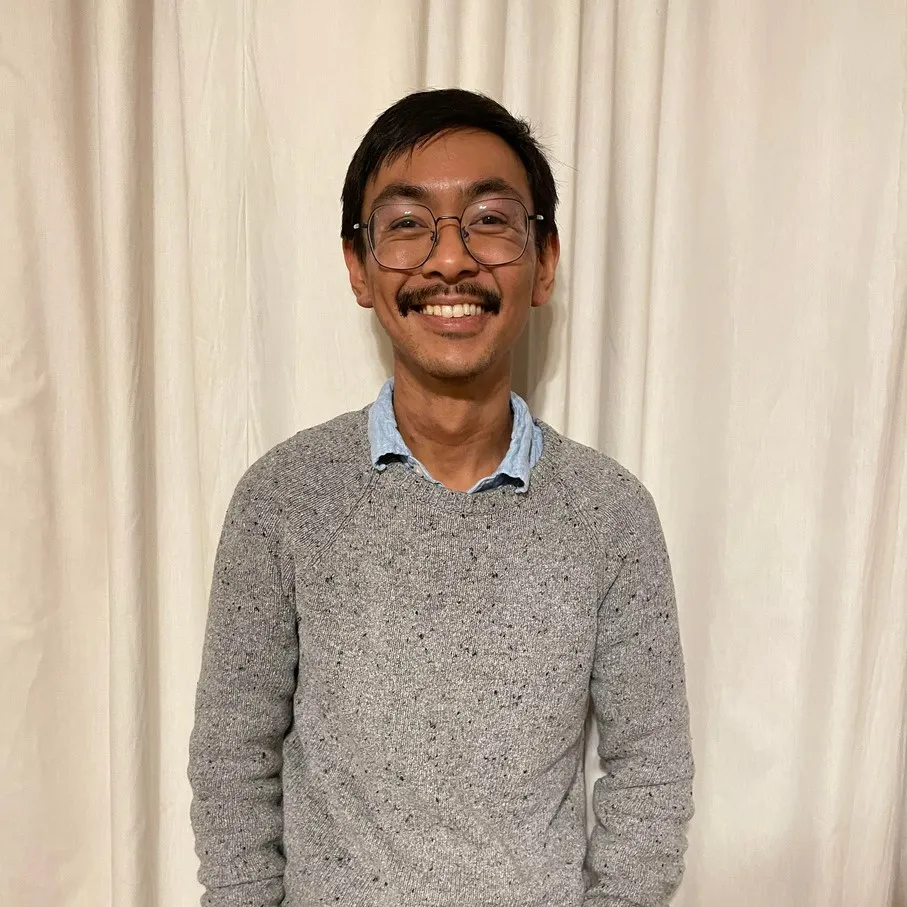
William Canero, grad 2022
First job after graduation:
Systems Change Coordinator, Collingwood Neighbourhood House Society
"PLAN425: Urban Issues and Concepts, articulated everything I had come to identify as issues in public policy and was the driving force to apply for my master’s degree in Community and Regional Planning. Justice, Equity, and Inclusion appear in various facets of urban planning, and I wanted to learn more about what needs my community had."
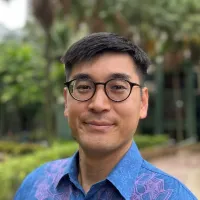
Tadayori Nakao, class of 2019
First job after graduation:
Deputy Director, Ministry of Land, Infrastructure, Transport and Tourism, Japan
Now First Secretary, Embassy of Japan in Malaysia
"The way I learned in MCRP courses and exercised in the planning studio has been instrumental to actual policymaking situations today. SCARP also allowed me to deepen technical knowledge and develop research skills in transportation planning. Those skills have been useful to my work after graduation.”

Jean Roe, class of 2020
First job after graduation:
Planner, MODUS Planning, Design & Engagement
"SCARP equipped me with values, curiosity, and skills to embark on a career path as a planner. My learnings at grad school, from urban design theory and Indigenous community planning practices, to engagement techniques and policy best practice, helps me daily at work. I'll also always be grateful for the people I met while at SCARP -- many of whom are now my colleagues and close friends."
Image

Dawn Smith, class of 2021
First job after graduation:
Policy Analyst (now Sr Policy Analyst), BC Public Service
"MCRP's Indigenous Community Planning Program taught the skills and insights I needed to take up my work to decolonize planning, and support other non-Indigenous professionals in putting our labour and minds to meeting the challenge of reconciliation. I'm proud of my time at SCARP, and the path that it has put me on in the public service."
Image
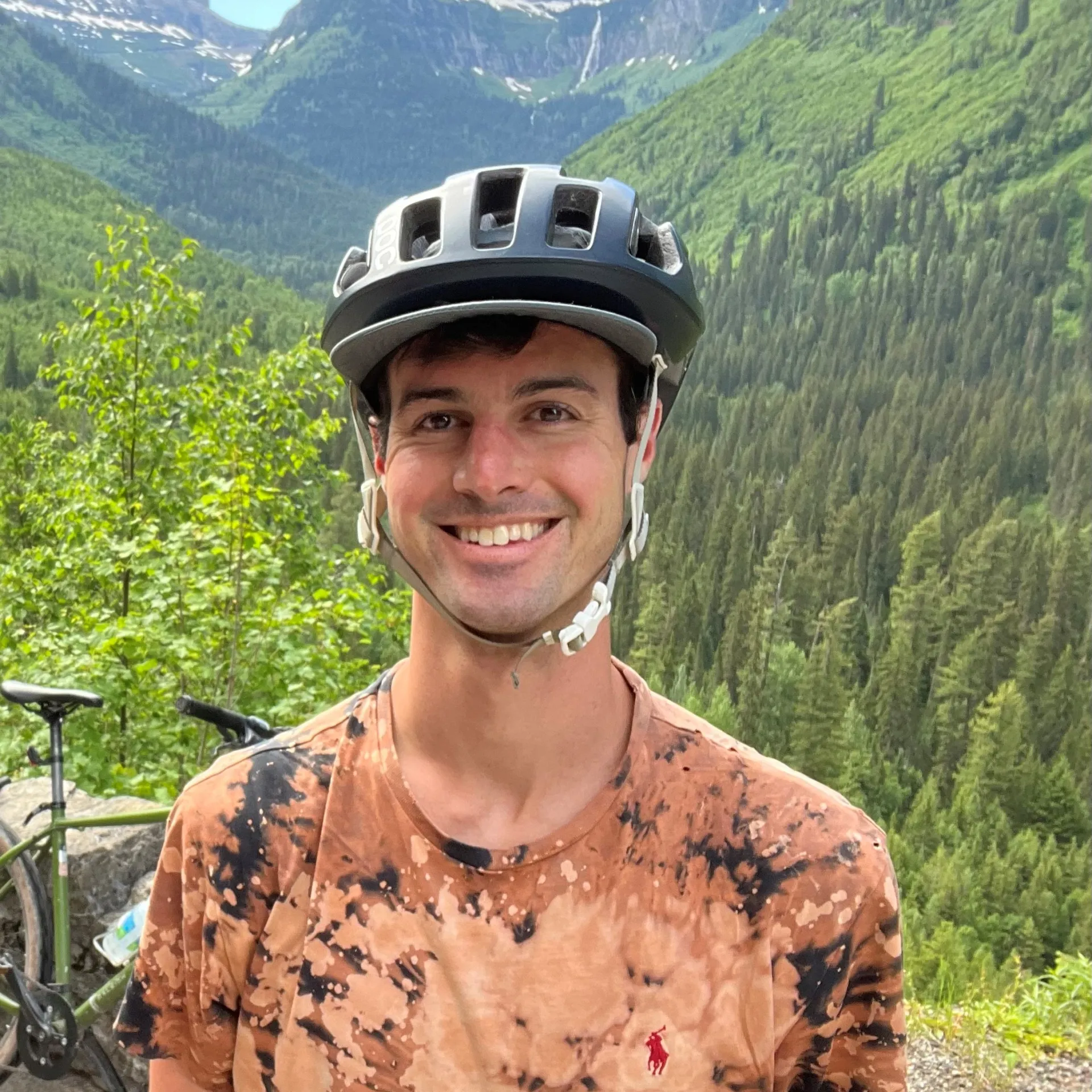
Tyler Tichenor, class of 2022
First job after graduation:
Pre-Development Planner, New York Department of Housing Preservation and Development
"There is definitely a lively and honestly accessible planning community in Vancouver. SCARP helps connect you with that professional community. You have the opportunity to see what all the world of planning has to offer and decide what it is you are really passionate about."
Program Structure, Content, and Requirements
What's involved
- A 2-year program, whose required courses are pre-scheduled (details below)
- 42 credits in required courses, tailored to the evolving demands of the planning profession
- 18 credits of elective courses you select based on interests and professional aspirations
- A second-year 2-term studio course that integrates theories and methods covered throughout the curriculum into a single team-based project, with a real client or community group
- Internship experience and mentorship opportunities with local planning practitioners
Build your Masters degree in your own vision
Beyond a core sequence based on what you need to know as a planner in a changing world, you’ll customize your degree to your own interests and aspirations.
- Choose your own locus of courses to craft your particular lens into the world of planning
- You can choose to go further in depth with a lens into Indigenous communities, priorities, and partnership experience with SCARP’s Indigenous Community Planning concentration
- If you have an independent project in the works or your own unique inquiry, design your own SCARP course, outline, and milestones, for 3 credits in our Directed Studies course (PLAN 550A / PLAN 550B)
Read below for full details.
Required Courses
| Code | Credits | Description | Required for MCRP? | Required for MCRP-ICP? |
|---|---|---|---|---|
| PLAN 500 | 3 | Comparative Perspectives on Planning History and Futures | X | X |
| PLAN 501 | 3 | Reconciliation and Planning | X | |
| PLAN 502 | 3 | Sustainability and Resilience in Planning | X | X |
| PLAN 504 | 3 | Urban Design and Visual Representation | X | X |
| PLAN 505 | 3 | Planning Theory, Values, and Ethics | X | X |
| PLAN 506 | 3 | Information and Analysis in Planning | X | X |
| PLAN 507 | 3 | Engagement and Facilitation for Planners | X | X |
| PLAN 511 | 3 | The Legal and Institutional Context of Planning | X | X |
| PLAN 512 | 3 | Urban Economics, Infrastructure, and Real Estate Issues in Planning | X | |
| PLAN 513 | 3 | Making and Implementing Community and Regional Plans | X | |
| PLAN 514 | 3 | Indigenous Planning: Ways of Being, Knowing, and Doing | X | |
| PLAN 515 | 3 | Indigenous Law, Governance, and Community Planning | X | |
| PLAN 516 | 3 | Planning for Community Economic Development | X | |
| PLAN 527 | 3 | Internship | X | |
| PLAN 540 | 3 | Planning Praxis | X | |
| PLAN 541 | 6 | Planning Studio | X | |
| PLAN 543 | 12 | Indigenous Community Planning Practicum | X | |
| TOTAL CREDITS (not including elective requirements): | 42 | 42 | ||
| ELECTIVE COURSES (no more than 6 credits may be at the undergraduate level, i.e., 300/400): | 18 | 18 | ||
| TOTAL CREDITS: | 60 | 60 | ||
Electives
Electives can be courses (within SCARP or in other departments) that relate to your interests and can count towards your MCRP program course requirements.
As noted above, MCRP students are required to complete a minimum of 60 credits, which includes 42 credits from Core courses and 18 credits from elective courses. To earn 18 credits from elective courses, MCRP students are free to select any courses at SCARP, UBC, or other eligible universities, based on the student's interests.
Students do not need permission from their Faculty Advisor or the MCRP Program Chair for elective courses to count toward the MCRP elective credit requirements. MCRP students can count up to a maximum of 6 credits of 300-level and/or 400-level courses toward the MCRP elective credit requirements.
There are many possibly advantageous or relevant electives that may serve to complement and broaden your understanding of planning issues. Please talk to your faculty advisor, who may have advice depending on your particular lens on planning.
Please note:
- Some courses require you contact the course instructor and/or department offering the course for permission to be registered
- Course offering and availability are subject to change by the School offering the course.
- No more than 6 credits of undergraduate-level (300-400) courses will count towards your MCRP program.
- Courses can potentially be taken at other universities through the Western Deans' Agreement.
Electives as developing expertise
MCRP students sometimes want to develop additional expertise in subject areas that are covered in MCRP core courses. One way to develop such expertise is to take elective courses that address subject areas that are covered in the core courses.
To help guide MCRP students in their selection of electives, the following table indicates SCARP (PLAN) elective courses that address subject areas that are covered in core courses. Each core course (numbered from 500 to 513) indicates at least one elective course that relates to the core course.
Remember that electives are subject to availability term by term.
| 500 | 501 | 502 | 504 | 505 | 506 | 507 | 511 | 512 | 513 | |
|---|---|---|---|---|---|---|---|---|---|---|
| 321 | X | |||||||||
| 331 | X | |||||||||
| 341 | X | |||||||||
| 351 | X | |||||||||
| 361 | X | |||||||||
| 425 | X | |||||||||
| 514 | X | |||||||||
| 515 | X | X | ||||||||
| 516 | X | |||||||||
| 530 | X | |||||||||
| 531 | X | |||||||||
| 532 | X | |||||||||
| 535 | X | |||||||||
| 548G | X | |||||||||
| 548L | X | |||||||||
| 548M | X | |||||||||
| 548O | X | |||||||||
| 548R | X | |||||||||
| 548S | X | |||||||||
| 579 | X | |||||||||
| 580 | X | |||||||||
| 583 | X | |||||||||
| 587A | X | |||||||||
| 587B | X | |||||||||
| 602 | X |
On second internships
As of the 2027/2028 academic year, PLAN 527B is an optional second internship after you have already fulfilled your required internship course (PLAN 527A). Taking PLAN 527 again (as PLAN 527B) represents an elective.
Approval of PLAN 527 internships are contingent on program faculty. With each internship opportunity you’d like to undertake as a PLAN 527 course, you will coordinate with program faculty regarding whether the opportunity is an applicable and appropriate fit for the course.
With PLAN527B especially, you will be approved in cases where program faculty determine that the second internship position would make a significant contribution to your learning and skills development beyond what you gained from your first internship. To this end, in order to receive credit for a second internship, the position either has to be with a different organisation than the first internship, or the position has to be for a different project than the first internship. (for instance, in more than one sector, or applying different skills).
You may take PLAN 527 up to 2 times.
Course Scheduling and choices
General MCRP
Year 1 Term 1 | Year 1 Term 2 | Year 1 Summer | Year 2 Term 1 | Year 2 Term 2 | Year 2 Summer |
|---|---|---|---|---|---|
PLAN 500 | PLAN 505 |
| PLAN 512 |
|
|
PLAN 501 | PLAN 506 |
| PLAN 513 |
|
|
PLAN 502 | PLAN 507 |
|
|
|
|
PLAN 504 | PLAN 511 |
| ----------PLAN 541----------- |
| |
| --------------------------------PLAN 540--------------------------------- |
| |||
PLAN 527 [flexible timeline] | |||||
Elective(s) | Elective(s) | Elective(s) | Elective(s) | Elective(s) | Elective(s) |
ICP Concentration
Year 1 Term 1 | Year 1 Term 2 | Year 1 Summer | Year 2 Term 1 | Year 2 Term 2 | Year 2 Summer |
|---|---|---|---|---|---|
PLAN 500 | PLAN 505 | PLAN 516 |
| PLAN 511 |
|
PLAN 502 | PLAN 506 |
| ---------------PLAN 543--------------- | ||
PLAN 504 | PLAN 507 |
|
|
|
|
PLAN 514 | PLAN 515 |
|
|
|
|
Elective(s) | Elective(s) | Elective(s) | Elective(s) | Elective(s) | Elective(s) |
Concentrations and areas of focus
Beyond the common foundation provided by the MCRP core courses, students may choose to gain expertise and experience in a particular domain of planning. While some students will elect to pursue a pre-structured Area of Concentration, others may customize a focus area to reflect their interests.
Whether formal or informal, if developing a focus area or AoC students should select a suite of appropriate courses (minimum 12 credits) in consultation with their faculty advisor. As a general guideline, we suggest, whether you choose a concentration or not, you immerse yourself in a combination of courses reflecting broad knowledge, specific skills, in-depth knowledge, and perhaps field experience.
SCARP's Concentration
SCARP's only official concentration option is Indigenous Community Planning (ICP). You may speak to your Faculty Advisor regarding the prospect of a custom area of focus for your degree, suited to your needs and interests.
Learn more about our ICP program
Informal Areas of Focus
Comparative Development Planning
The Comparative Development Planning area of concentration represents critical analysis of the development/governance logics, processes, and policies shaping local conditions with respect to ongoing urban transition. The scope of this analysis includes local, regional, national, and global scales.
Comparative Development examines the importance of local knowledge, cultural specificity, and relevance of local political, social, and economic structures and forces, as well as their consequences for local trajectories of socioeconomic change and development. It covers the range of factors (e.g., elites, politics), forces (e.g., agency, capitals, modes of accumulation) and institutions (e.g., states, markets, communities, organizations) whose origins lie beyond the local.
This AoC prepares MCRP students for careers in the fields of local, national, regional, and international development planning, at various levels of:
- Governance
- Multilateral and bilateral development agencies
- Philanthropic foundations
- Volunteer-based organizations
- Social enterprises
- Non-profits
- Non-government and corporate organizations
Environmental Planning
Environmental Planning is concerned with the interaction of human settlements and the natural environment. Communities and governments make many decisions, policies, and plans that have profound impacts on the health and integrity of social and ecological systems. Environmental Planning responds to this problem, with an overarching goal of helping planners design human settlements in a way that minimizes impacts on natural ecosystems and minimizes risks to humans.
In addition to a general Environmental Planning AoC, some options for customized AoCs include: Disaster and Risk Management Planning; Environment and Infrastructure Planning; and Environment and Health Planning.
This AoC prepares MCRP students for careers in environmental planning at various levels of government, non-profit organizations, and consulting companies. Graduates of this area have worked in such areas as sustainability planning, climate change adaptation planning, and disaster resilience planning.
Social Planning and Policy for Inclusive Communities
Social Policy and Planning for Inclusive Communities is concerned with the always-uneven impacts of economic growth and change, and thereby of developing innovative ways of addressing urban and regional inequalities. It is also concerned with life-cycle planning issues such as child friendly cities and aging in place. From affordable housing and homelessness to the social integration of immigrants, urban Indigenous voice and wellbeing, accommodating transgender needs and more, the overarching goal is to support the development of inclusive, non-discriminatory communities.
This AoC prepares MCRP students for careers in social planning at various levels of government, Indigenous-serving organizations and communities, philanthropic foundations, volunteer-based organizations, social enterprises, and non-profits such as the Social Planning & Research Council of BC.
In addition to a general Social Planning & Policy for Inclusive Communities AoC, some more options for customized AoCs include:
- Housing Policy
- Indigenous Planning
- Feminist Planning
- Life Cycle Planning
- Food Security and Sovereignty
- Immigrant & Refugee Integration
- Inclusive Public Engagement
- Advocacy Planning
Transportation Planning
Transportation Planning is a field of expertise concerning the development of goals, policies, designs, and programs to facilitate the movement of people and goods; at scales ranging from a single street to an entire country.
Transportation planners seek to implement participatory processes through which diverse stakeholders can bring their knowledge, experience, and values to the development of transportation plans. Transportation planning considers a wide array of positive and negative transport system impacts, including community vitality, economic resilience, human health, and the natural environment.
In addition to a general Transportation Planning AoC, some options for customized AoCs include: Transportation Planning and Health, Transportation and Land Use Planning, and Transportation and Urban Design.
This AoC prepares MCRP students for careers in transportation planning at various levels of government, non-profit organizations, and consulting firms. Graduates of this area have gone on to work in planning departments at various municipalities, transit agencies, and transport consultancies.
Urban design
The study of urban design is one of the fastest growing fields in North American planning schools. New urban design concentrations and degree programs are appearing in many schools, to help create urban communities in which people can live, work, learn, play and recreate. This is an antidote to the large lots of single-family homes that are a car trip away from everything and that have come to characterize urban sprawl. Contemporary urban designers are conscious of the holism necessary for improving transit functions, public health, place-making, providing ecological services, and creating a lively public realm and livable neighbourhoods. Urban design, together with transportation planning, play a direct role in shaping the quality of life or urban dwellers.
The main objective of the Urban Design concentration is to give SCARP students interested in urban design a set of fundamental theories, models and planning tools that can help them understand and shape the built environment. Faculty in SCARP have considerable expertise in urban design both as a stand-alone discipline and as an integral part of larger city making processes. The concentration at SCARP is particularly focused on the integration of social, ecological, hydrological, energy and transportation systems into urban design thinking. Courses are applied and typically include real projects with real clients working in current problems in nearby communities.
Learning outcomes
MCRP's Learning outcomes represent each skill and understanding we will help you become by graduation.
These outcomes are at the core of what makes MCRP an accredited degree, and MCRP graduates are highly regarded in the industry.
MCRP Learning Outcomes
1. Knowledge of Planning Fundamentals
SCARP anticipates that MCRP graduates will possess awareness and/or fundamental knowledge of:
- 1.1 current and emergent planning-related problems and trends transpiring at local and global scales
- 1.2 planning as a collective and action-oriented framework designed to enhance life on Earth
- 1.3 human-environment interactions, including an understanding of planning’s role in addressing the environmental, economic, and social impacts of human behaviour
- 1.4 planning for one or more dimensions of human society, such as land use, transportation, housing, urban design, environmental and risk management, and/or economic development
- 1.5 the public interface of planning, including how knowledge, beliefs, emotions, and values interact to shape decisions and outcomes
- 1.6 historically significant events and concerns in planning, including their lessons and legacies for current and future planning practice
- 1.7 the distinguishing features of non-Western (including Indigenous) planning practice and traditions that are carried out under different cultures, worldviews, and governance systems
2. Skills to Support Professional Planning Practice and Collaborative Decision-Making
SCARP anticipates that MCRP graduates will be able to effectively:
- 2.1 collect, analyse, interpret, and utilize planning-related information (such as numerical, text-based, and spatial data) from a variety of sources
- 2.2 prepare and communicate planning-related information in professional planning products (such as plans, proposals, policy papers, and public reports) through the use of written, verbal, and visual technologies and tools
- 2.3 anticipate potential societal change and identify the associated implications for planning preparedness and resilience
- 2.4 evaluate and apply planning instruments to address current and future planning-related problems in a range of public, private, and non-governmental settings
- 2.5 facilitate planning and decision-making processes, helping to engage with, mediate, and resolve conflicts among diverse stakeholder groups
- 2.6 perform a range of planning roles (such as leadership, technical support, and administration), including cooperation in team settings where skillsets, personalities, values, and opinions vary
- 2.7 initiate and sustain collaborative partnerships with various entities toward defining, scoping, and addressing planning-related needs in addition to successful project delivery
3. Attitudes for Ethical and Reflexive Professional Planning Practice
SCARP anticipates that MCRP graduates will display the capacity and commitment to:
- 3.1 conduct professional planning practice as an ethical and reflexive planner
- 3.2 serve as leaders and agents of change for improving environmental, economic, and social outcomes of current and future generations
- 3.3 support underserved communities, with a particular concern for social justice
- 3.4 demonstrate respect for individual differences relating to gender, race, ethnicity, socioeconomic status, and other dimensions of personal identity
- 3.5 cultivate awareness of the wider world and develop a sense of their roles as professional planners within this broader context
- 3.6 possess self-awareness in relation to personal values and biases, and their potential impact on professional practice
- 3.7 pursue life-long learning from a position of curiosity about natural and human environments
Program Fees
- MCRP students are assessed a Program Fee for full-time studies according to the Specialized Master’s Degree Programs schedule as noted in the UBC Calendar (for Professional Masters fee). The Program Fees are calculated for full academic years (Winter and Summer Sessions; September through August).
- As the fees represent installments of the cost for the whole program and not for each semester, you are required to pay a total of 6 installments of the Program Fee (6 terms over 24 months) regardless of whether or not you complete your program earlier.
-Please remember as of your graduation you no longer have student status. As a result, in the event you complete your program early, you will no longer be eligible to access any funding from awards or student loans to pay for outstanding installments. It is your responsibility to make necessary academic and financial plans. You can contact your Enrolment Services advisor for more information. - You are assessed the Program Fee three times a year, payable in September, January and May through the UBC Student Service Centre.
- In addition to the Program Fee, all UBC students are assessed Student Fees to help cover the costs of resources available to students. Some student fees of particular importance to graduate students
- The UBC Faculty of Graduate and Postdoctoral Studies (G+PS) provides information about the cost of living in Vancouver for prospective students.
In addition to the program fees, entering the program requires a one-time $1,500 deposit. Please note it is only due upon acceptance into the program, and the deposit is applied directly towards your program fees.
Awards before you enroll
Awards prospective students are eligible to apply for include:
Something still unclear? Check out our FAQ.
This tab is what you need to know about eligibility to apply and how to apply.
Please review all information on requirements before you proceed here.
Applications open | November 1 |
Applications close | January 5 |
Referee deadline | January 5 |
Video interview process | Late February |
Receive official response to your application | Mid-March |
Minimum Academic Requirements (click to expand)
GPA Requirements
SCARP adheres to the minimum academic requirements established by the UBC Faculty of Graduate and Postdoctoral Studies. Please review the minimum requirements by country. The requirements are not based on your citizenship, but where you received your academic credentials that will most likely form the basis for admission to a UBC graduate program.
If you received your undergraduate degree from Canada (click to expand)
Eligibility for the Master's degree at UBC requires an Honours or Bachelor's degree requiring four years of study with a B+ average in third and fourth year-level course work. *From Quebec's French universities, a three-year Bachelor's degree is acceptable provided the Diplome d'Etudes Collegiales (DEC) has been previously awarded. Theological degrees (i.e., degrees in theology or degrees offered by a bible college, seminary or theological school) may not be acceptable as a basis for admission to graduate studies at the University of British Columbia. Applicants will be evaluated on a case-by-case basis.
If you received your undergraduate degree from outside of Canada (click to expand)
- If you received your undergraduate degree from a post-secondary institution in the United States, read these requirements.
- If you received your undergraduate degree from a post-secondary institution outside of Canada and the United States, select the applicable country from this list and read all requirements.
Meeting the minimum requirements does not guarantee admission as it is a competitive process.
English Language Tests
Applicants from a university outside Canada in which English is not the primary language of instruction must provide results of an English language proficiency examination as part of their application. Tests must have been taken within the last 24 months at the time of submission of your application.
Minimum requirements for the three most common English language proficiency tests to apply to this program are listed below:
| Overall | Reading | Writing | Speaking | Listening | |
|---|---|---|---|---|---|
| TOEFL 6-point score: | 5.0 | 4.5 | 4.5 | 4.0 | 5.0 |
| TOEFL 120-point scale: | 100 | 22 | 21 | 21 | 22 |
| IELTS: | 7.0 | 6.5 | 6.5 | 6.5 | 6.5 |
| DET: | 130 | 125 | 135 | 120 | 120 |
While some UBC programs require additional test scores (e.g., the Graduate Record Examination), UBC SCARP does not.
Application checklist
Please read the following notes carefully to ensure you submit your application appropriately.
Note: submitted materials and their information are only used for the purpose of admissions into UBC SCARP.
Click each item below to expand details.
✓ Begin filling in application form (click to expand)
The link to the Application Form will appear on this page during the application season (November 1 - January 5).
✓ Pick concentration (or none) (click to expand)
You may, if you wish, indicate in your application that you wish to apply for the Indigenous Community Planning concentration, MCRP’s only official concentration. The Faculty Advisor for the ICP concentration is Maggie Low, who does not supervise students outside of ICP.
✓ Pick faculty advisor options (click to expand)
All MCRP students will be assigned a Faculty Advisor, taking into account your interests, availability, and preference. If your application is successful and you become an MCRP student, you will work with your Faculty Advisor to develop a specialised focus of courses showcasing your interest area.
All available Faculty Advisors will be listed in the dropdown menu of your application. You will select three faculty members with whom you would be interested in working in your application. If you are applying to the Indigenous Community Planning (ICP) concentration, please only select Dr. Maggie Low.
✓ Submit English test scores (details above)
✓ Submit statement of interest (click to expand)
In the Statement of Interest (maximum 500 words), you are asked to outline your academic and professional objectives, as well as your motivations for applying for a graduate planning program.
(In the Personal History Statement described below, conversely, you are asked to narrate how your identities and life experiences have shaped your interests, strengths, values and futures goals.)
The Statement of Interest must be 1 page maximum with 11pt font, single-spaced, 1inch/2.54 cm margins. The statement should outline the following points related to your interest in the field of planning:
- What academic, professional and personal experiences have motivated you to pursue planning;
- What experience has prepared you for a graduate degree in planning;
- What are the planning issues, areas and questions you would like to explore more in the planning program and why;
- Why you have chosen SCARP to pursue a planning degree and how SCARP fits your long-term professional goals. Please indicate faculty members with whom you are interested in working.
✓ Submit personal history statement (click to expand)
(Whereas in the Statement of Interest described above, you are asked to outline your academic and professional objectives, as well as your motivations for applying for a graduate planning program),
In the Personal History Statement (maximum 300 words), you are asked to narrate how your identities and life experiences have shaped your interests, strengths, values and futures goals.
The Personal History Statement offers the opportunity to share your personal, educational, cultural, economic, and social experiences—including challenges, obstacles, unique identities, and strengths—that have shaped who you are, informed what you believe in, and enabled your personal growth. The document must be about half a page maximum with 11pt font, single-spaced, 1inch/2.54 cm margins. The Personal History Statement should not recreate your resume or your Statement of Interest. It should offer your reflective narrative about your journey and formative experiences that have inspired you to pursue planning.
You can develop your statement using some of the following prompts:
- What barriers to academic achievement have you faced in higher education, and how has the experience of overcoming these barriers shaped your personal growth, strength and perseverance?
- How have you come to understand systemic barriers to equity in planning — such as issues of poverty, structural racism, gender inequality and other forms of oppression — and what action, if any, have you taken to contribute to redressing them?
- Have you been involved with or undertaken initiatives in the service of equity, social justice, and reconciliation? If so, how does such experience relate to your motivation for planning? It can be a research project, a volunteer experience, or professional work.
- Through your leadership experience, how have you contributed to advancing the experience, voice and strength of historically marginalized communities and underrepresented groups in planning?
- What other experiences (e.g. community engagement, activism, creative artistic practices, professional work) demonstrate your ability to bring together and collaborate across different communities?
You can also discuss other information you feel would be important to the Admissions Committee in assessing your application. If there are some aspects of your application that do not necessarily reflect your potential, then you can discuss, through your work and life experiences, your readiness to undertake graduate study.
✓ Submit resume (click to expand)
Upload your resume detailing:
- Educational background
- Work and/or volunteer experience
- Publications (if any)
- Any academic or professional awards earned
- Any travel experience.
✓ Submit transcripts (click to expand)
- Applicants are required to scan and upload digital copies of all official transcripts, including transcripts for study abroad semesters, non-degree studies, or credential programs.
- Please ensure that the uploaded documents are official transcripts and include a transcript key. (Transcript keys are often printed on the reverse sides of official transcripts.)
- Grade reports, marking sheets, and transcripts marked “unofficial” are not acceptable and will not be considered for review.
- Degree certificates are required only if the degree conferral is not listed on the transcript.
- Transcripts in a language other than English or French must be accompanied by certified translations. If applicable, transcripts that do not have an indication of the date the degree was conferred must be accompanied by a degree certificate (and translation, if appropriate).
- Uploaded transcripts should be in PDF format, with each transcript complied as one PDF document. Include only one copy of the transcript key. Any additional or extraneous documents will be excluded from the final application file.
Please note that applicants are not required to send hardcopies of official transcripts to the School of Community and Regional Planning office at the time of application.
For more information, please visit the UBC Faculty of Graduate and Postdoctoral Studies sections on Canadian Official Transcripts or International Official Transcripts.
✓ Submit references (click to expand)
Reference timeline
References are submitted separately by your referees. They can only be submitted after the rest of your application is officially submitted. However, references have the same deadline: January 5. Because of this, you are strongly advised to submit your application well in advance of the application deadline, to avoid too narrow a window for your referees to complete your application.
Requirements
Exactly two references are required for you to apply. Additional references will not be considered as part of your final application file.
References should be from individuals who can assess your academic or professional qualifications and your communication skills. In most cases, at least one reference should be academic. If you have been away from school for several years, all references may be from non-academics who are capable of assessing your professional and, if possible, your potential academic performance.
*For Indigenous applicants, one of those reference letters can be a letter from their Community/Nation.
Applicants are responsible for ensuring that their references submit documentation by the deadlines specified. Contact references in advance of submitting an application to ensure they have adequate time to provide a letter. Reference letters may be addressed to the "MCRP Admissions Committee".
Reference format
There are three possible formats for references: electronic references, paper letters of reference, and paper reference forms. SCARP strongly prefers that references utilise the electronic reference system in the online application to submit a letter of reference.
Letters should be in PDF format, on letterhead, with signature. For more information, please visit the UBC Faculty of Graduate and Postdoctoral Studies section on Letters of Reference. Remember that an online application must be submitted before referees receive a request to provide a reference.
Please note that the system is unable to accept e-mails from Hotmail, Yahoo, Gmail, MSN or other free e-mail accounts for referees. Letters should be in PDF format, on letterhead, with signature.
If using the electronic reference is not possible, please send paper letters of reference and reference forms to:
School of Community and Regional Planning
Faculty of Applied Science
The University of British Columbia - Vancouver Campus
433 - 6333 Memorial Road
Vancouver, BC Canada V6T 1Z2
For more information, please visit the UBC Faculty of Graduate and Postdoctoral Studies section on Letters of Reference.
Video interview (after you apply)
After you submit your full application package, you will be subsequently contacted between January 8-15, at which point we will invite you to submit a video interview using automatic interview software conducted with videos and the applicant's webcam/phone camera. Final admission decisions by the MCRP Admissions Committee will be made in mid-March.
Still more questions about applying?
Learn more about MCRP's programs
Read this page and still have questions?
You can email admissions@scarp.ubc.ca with anything that still isn't clear. Or you can attend one of SCARP's or UBC's admissions infosessions. (Click here to see what's coming up!)


