
SCARP PhD student Juri Kim presents research insights at IDRiM 2025

Samos Island, captioned with a welcome to 2025's IDRiM conference

We're happy to celebrate SCARP PhD student Juri Kim, who recently presented as part of the 2025 International Integrated Disaster Risk Management (IDRiM) conference, an annual conference which brings together researchers and practitioners focused on disaster risk preparedness, response, and recovery. She received 2nd place in the Young Scientist Award for her online presentation.

A little about Juri Kim's presentation

Business evaluations of neighbourhood advantage/disadvantage and recovery outcomes after COVID-19 in Vancouver and Calgary

Presenter: Juri Kim, PhD candidate, UBC SCARP
Co-author: Dr. Stephanie Chang, Professor, UBC SCARP

"My presentation examined how business owners’ evaluations of their neighbourhoods during COVID-19 are associated with business recovery outcomes in Calgary and Vancouver, based on survey data collected with my academic supervisor, Dr. Stephanie Chang. 

"Some interesting findings include that neighbourhood evaluations were more strongly associated with business sales recovery than with perceived recovery. For both cities, businesses evaluating their neighbourhoods as disadvantaged reported lower sales compared to pre-pandemic levels, while those with positive neighbourhood evaluations reported higher sales. For perceived recovery status, only the disadvantageous neighbourhood evaluations in Calgary showed a significant association with worse perceived recovery. Overall, negative neighbourhood perceptions had a larger effect than positive ones, suggesting that efforts to address neighbourhood disadvantages could be especially important for supporting business recovery."

This work is part of a larger project underway with SCARP Professor Stephanie Chang. Stay tuned!

Our findings show that neighbourhoods are more than just places—they are dynamic influences on how businesses recover and thrive post-pandemic.
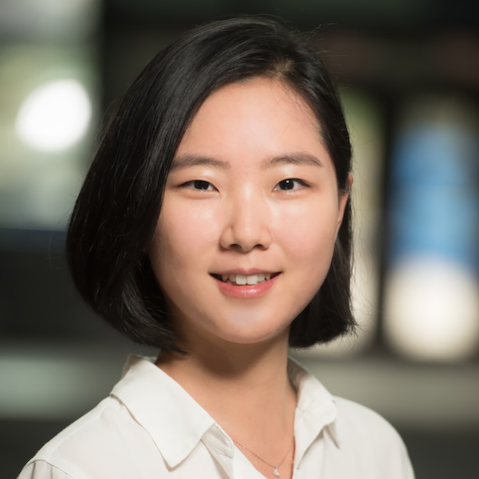
Student in white collared shirt

More about Juri Kim

Juri believes that distinctive characteristics of urban and neighbourhood environments play a crucial role in a city's ability to recover from disasters. Her doctoral research examines the effects of neighbourhood-level barriers and facilitators on Vancouver’s economic recovery following the COVID-19 pandemic. Adopting a mixed-methods approach, she blends quantitative data analysis with qualitative insights to explore the impact of these factors on economic recovery. Through her work, Juri aspires to contribute to enhancing neighbourhood resilience and preparedness for future disasters.

Congrats on your adventure Juri! We can't wait to hear more about these compelling insights.
  • Spotlight
UBC Crest The official logo of the University of British Columbia. Arrow An arrow indicating direction. Arrow in Circle An arrow indicating direction. Caret An arrowhead indicating direction. E-commerce Cart A shopping cart. Time A clock. Chats Two speech clouds. Facebook The logo for the Facebook social media service. Home A house in silhouette. Information The letter 'i' in a circle. Instagram The logo for the Instagram social media service. Linkedin The logo for the LinkedIn social media service. Location Pin A map location pin. Mail An envelope. Telephone An antique telephone. Play A media play button. Search A magnifying glass. Arrow indicating share action A directional arrow. Speech Bubble A speech bubble. Speaker emmitting sound A speaker emmitting sound. Star An outline of a star. Twitter The logo for the Twitter social media service. Urgent Message An exclamation mark in a speech bubble. User A silhouette of a person. Vimeo The logo for the Vimeo video sharing service. Youtube The logo for the YouTube video sharing service. Future of work A logo for the Future of Work category. Inclusive leadership A logo for the Inclusive leadership category. Planetary health A logo for the Planetary health category. Solutions for people A logo for the Solutions for people category. Thriving cities A logo for the Thriving cities category. University for future A logo for the University for future category.